Engineering guide · Wire rope and rigging
Wire rope break load and tensile testing: which test do you need?
How to distinguish controlled proof or tensile testing from destructive break-load testing for steel wire rope, socketed assemblies, rigging systems and specialist slings.
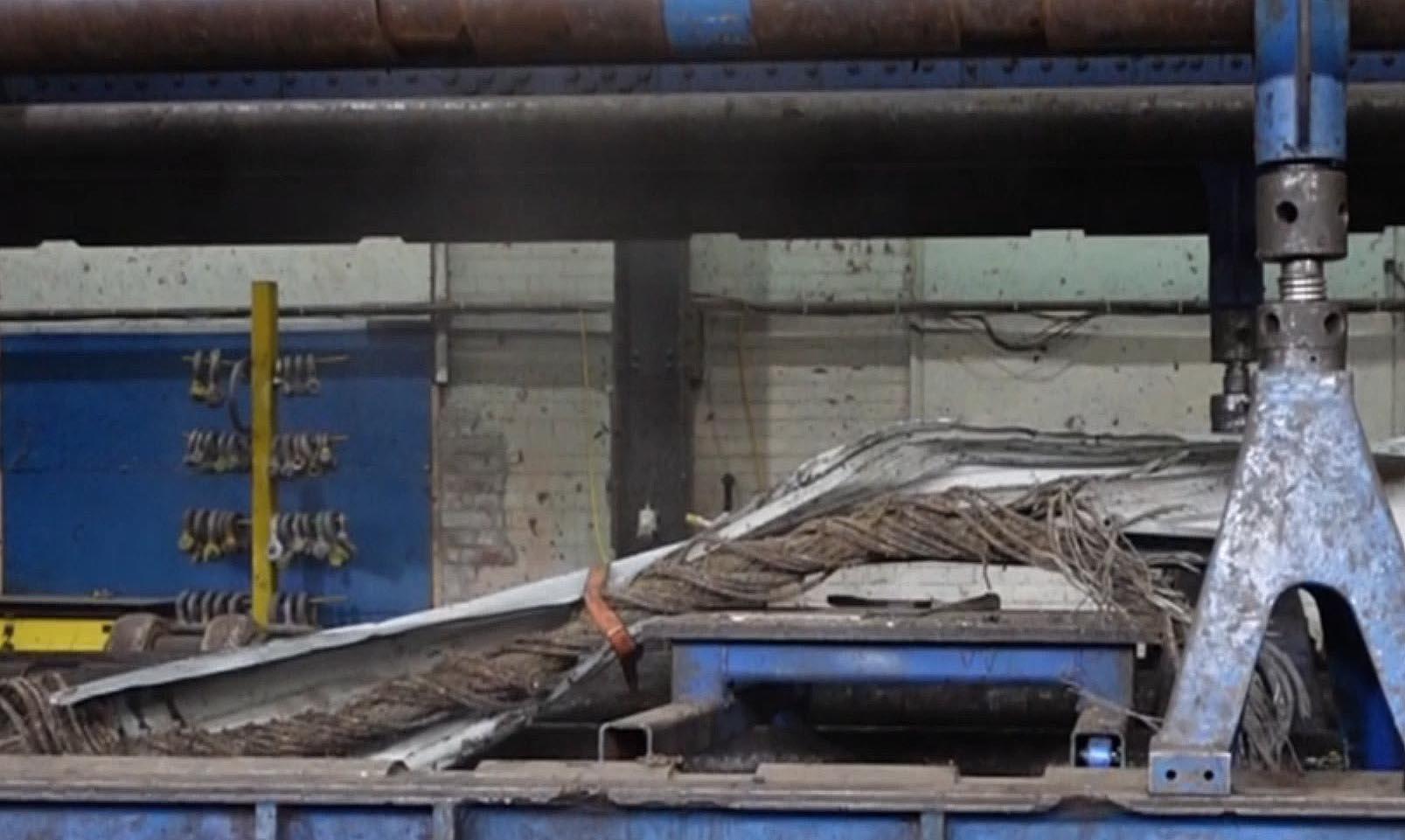
Tensile testing and break-load testing are not interchangeable
Controlled tensile or proof loading
A defined tensile force is applied to an assembly to assess its performance at the specified load. The objective may be verification without intentional failure, subject to the agreed test procedure and acceptance criteria.
Destructive break-load testing
Load is increased with the intention of establishing the point of failure or break load. The test piece should be treated as sacrificed; it is not a routine in-service examination.
The appropriate test depends on the question the customer needs answered: performance at a defined load, or ultimate breaking behaviour. The test method, acceptance criteria and required recording should be agreed before the item is tested.
What can be submitted for review?
Wire rope assemblies
Steel wire rope slings, socketed rope assemblies and specialist rigging arrangements.
End terminations and connections
Assemblies where the socket, end fitting and load transfer into the rope are part of the test objective.
Large-diameter ropes
High-load industrial and offshore rope assemblies requiring major horizontal test-bed capacity and suitable connection arrangements.
Project-specific samples
Development samples or representative test pieces with a defined test objective, expected load and reporting requirement.
Information to send with a wire rope test enquiry
The most useful details are the rope diameter and construction, complete assembly length, termination types, connection dimensions, minimum breaking force or specified proof load, required test objective, the governing test specification and whether an independent witness or detailed recorded data is needed.
For destructive tests, give the expected failure load and identify whether the objective is the rope, termination or complete assembly. For controlled proof testing, identify the defined load and relevant acceptance requirements. Photographs and drawings help the team assess how the item can be gripped and supported.
Britannia Test House capability and real project evidence
Durham Lifting provides high-capacity tensile testing using horizontal and vertical facilities. The Avery horizontal machine has a 1,250Te tension working capacity, with controlled destruction testing capability up to 1,143 tonnes where the appropriate setup and project requirements allow. The correct arrangement is selected for the rope, terminations, geometry and likely loads.
A published Durham Lifting project documents the destructive testing of a 103mm steel wire rope at Britannia Test House, demonstrating the kind of large rope testing undertaken by the business.
Explore Durham Lifting projects and news → · View test beds and capacities →
Frequently asked questions
Is a wire rope proof test the same as a break test?
No. Proof testing is intended to assess performance against a defined load without intentionally causing failure. Break testing is destructive and aims to establish failure behaviour or ultimate load.
Can complete socketed assemblies be tested?
Yes, subject to review of the assembly, its termination geometry, the specified load and suitable fixtures.
Can I get a test certificate or recorded load data?
Certification and recorded results can be supplied in line with the agreed test scope. State any client or third-party witness requirements when enquiring.
Can you test a rope without a test specification?
Our team can discuss the requirement, but the objective, applicable standard or engineering basis, target load and acceptance criteria need to be established before a test procedure is agreed.
Need a wire rope or rigging assembly tested?
Send the rope details, photographs, termination drawings, required load and whether you need proof verification or a destructive break-load test.