
Crane anti-collision systemsCollision avoidance for overhead cranes & shared runways
Help reduce crane-to-crane and crane-to-end-stop collision risk with anti-collision systems supplied and installed by Durham Lifting for overhead cranes, bridge cranes, gantry cranes and multi-crane industrial environments.
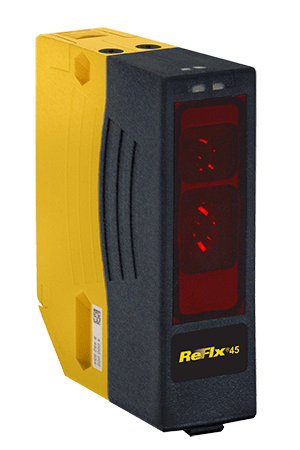
Protect shared crane runways and restricted working areas.
Anti-collision systems add another control layer where cranes, end stops or fixed structures can come within a defined approach distance.
Crane-to-crane protection
Help manage approach distances where more than one crane operates within the same bay or runway.
End-stop / obstacle protection
Detection can be applied where a crane approaches a defined end stop or fixed hazard, depending on the system.
Warning or intervention
Depending on configuration, systems can warn operators or interface with crane controls to slow or stop movement.
Existing crane upgrades
Suitable systems can often be added to existing cranes as part of a modernisation or safety upgrade.
The right system depends on the crane layout and control logic.
Collision avoidance should be configured around the actual runway, number of cranes, approach distances, control system and any fixed structures that create a collision risk.
Durham Lifting can review the application before recommending a suitable detection and intervention strategy.
Some systems provide warning only; others can be integrated to slow or stop movement at defined distances. Final behaviour depends on the selected equipment and crane control arrangement.
Detect, measure, warn and control where configured.
The exact sequence depends on the selected system and crane controls.
Review
Assess the cranes, runway, hazards and required separation strategy.
Detect
Sensors monitor the approach to another crane, end stop or defined obstacle.
Measure
The system evaluates the approach distance according to its configuration.
Warn / Control
Provide an alert or interface with crane movement where the selected system supports it.
Support
Maintain the crane and upgrade system as part of ongoing crane support.
Collision avoidance for busy crane environments.
The strongest fit is where multiple cranes, fixed structures or restricted working distances create a foreseeable collision risk.
Other crane safety and control upgrades.
Crane anti-collision questions answered.
What is a crane anti-collision system?
It is a detection and control system designed to help prevent crane-to-crane, crane-to-end-stop or other defined collision events during operation.
Can anti-collision systems be fitted to existing cranes?
Often yes, depending on the crane controls, operating environment and the protection strategy required.
Do all systems stop the crane automatically?
No. Some configurations provide warning only, while others can interface with the crane controls to slow or stop movement at defined approach points.
Are anti-collision systems suitable for multiple cranes on one runway?
Yes. Shared runways and multi-crane bays are common applications for collision-avoidance systems.
What information is needed for a quotation?
Useful information includes the number of cranes, runway/bay layout, control arrangement, required separation or intervention and photographs or drawings where available.
Need to control collision risk in a shared crane bay?
Send the crane layout, number of cranes, control details and the hazard you need to manage. Durham Lifting can review the most suitable anti-collision approach.