
When is proof load testing required in the UK?
Proof load testing is widely used to verify lifting equipment, fabricated structures and engineered assemblies, but it is important to distinguish a proof load test from the statutory thorough examination requirements under LOLER.
Proof load testing and LOLER thorough examination are not the same thing.
A proof load test applies a controlled test load to an item or assembly so its behaviour can be assessed against the agreed test requirement. A LOLER thorough examination is a systematic examination by a competent person to identify defects or weaknesses that could affect safe use.
The Health and Safety Executive states that lifting equipment must be thoroughly examined in circumstances including before first use where the relevant exemption does not apply, after installation or reassembly where safety depends on installation, and periodically while in service. Whether load testing forms part of that examination is a separate technical decision.
Proof load test
Controlled application of an agreed test load to verify a defined requirement, structural behaviour or equipment performance.
LOLER thorough examination
Detailed examination by a competent person to assess safety-critical condition and identify defects or weaknesses.
Common situations where a proof load test can form part of the verification route.
What information is needed before a proof load test?
The required test load should not be guessed. The correct test arrangement depends on the equipment, rated capacity, design or applicable standard, load path and the evidence the customer needs.
- Drawings and overall dimensions
- Working Load Limit or Safe Working Load where applicable
- Required proof load and the document, standard or engineering basis that defines it
- Connection points, load direction and reaction requirements
- Whether the item is new, repaired, modified or already in service
- Witness, certification and recorded-data requirements
- Whether the test needs to be completed in-house or on site
For unusual geometry or non-standard load paths, the test fixture or reaction arrangement may need to be engineered around the item.
High-capacity proof load testing capability.
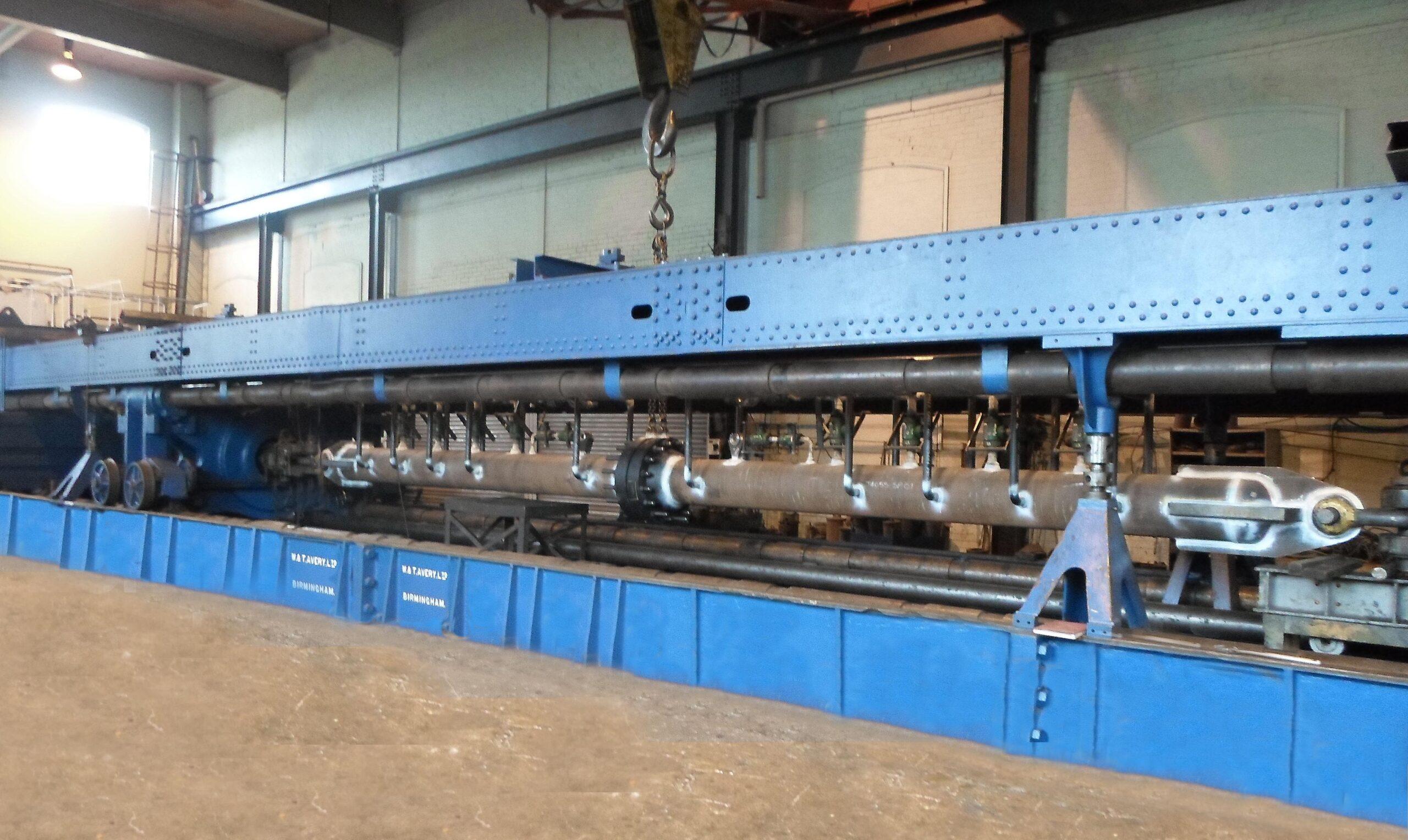
Durham Lifting supports proof load and related load testing at Britannia Test House in Middlesbrough, with vertical, horizontal and bespoke engineered test arrangements selected around the item and required load path.
Proof load testing requirements: common questions.
Does LOLER require every item of lifting equipment to be proof load tested?
No. LOLER requires thorough examination in specified circumstances, but it does not impose a blanket proof-load-test requirement on every item. Testing may be selected or required for other reasons such as an applicable standard, engineering specification, manufacturer requirement, repair, modification, commissioning or project requirement.
Is a proof load test the same as a thorough examination?
No. A proof load test applies a controlled load against an agreed test requirement. A thorough examination is a detailed examination by a competent person to identify defects or weaknesses affecting safe use.
Who decides what proof load should be applied?
The required proof load should come from the relevant design, standard, manufacturer, engineering specification or agreed test procedure. Durham Lifting can review the supplied information and develop a suitable test arrangement around the defined requirement.
Can proof load testing be carried out on site?
Selected tests can be completed on site where access, reaction points, controlled load application and the project risk assessment make an on-site arrangement suitable.
Can a proof load test be witnessed?
Yes. Testing can be arranged for client representatives, surveyors or other third-party witnesses where this forms part of the agreed project scope.
Need to confirm the right testing route?
Send the drawings, dimensions, required test load and any applicable specification or witness requirement.