
Proof Load Testing Services UK
Durham Lifting provides controlled proof load testing for lifting equipment, fabricated structures, rigging assemblies and bespoke engineered items at Britannia Test House, with facilities up to 3000Te in tension and 2500Te in compression, plus suitable on-site testing.
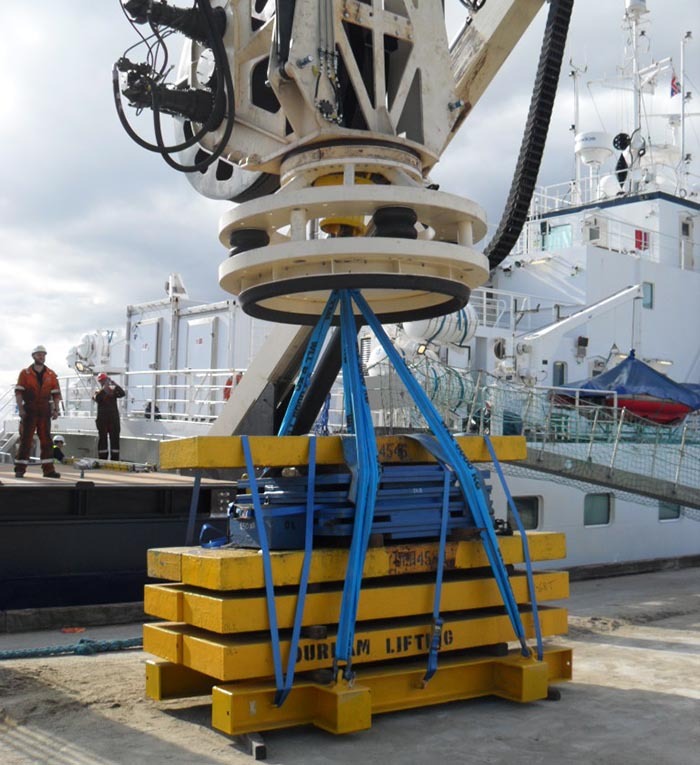
What is proof load testing?
Proof load testing is used to verify that lifting equipment, fabricated structures and engineered assemblies can safely withstand a specified load under controlled conditions before being placed into service.
Controlled verification under load
During a proof load test, a controlled load is applied using a defined testing arrangement. This allows engineers to verify structural performance, connection integrity and load behaviour under the required proof load condition before the item enters service.
Engineering Review
Drawings, dimensions, connection details and required proof loads are reviewed to determine the safest testing method.
Load Application
Load is applied using calibrated hydraulic systems, test beds or bespoke engineered arrangements.
Certification
Following successful completion, inspection findings and certification documentation can be provided where required.
Proof load testing for lifting equipment, structures and engineered assemblies.
Durham Lifting supports proof load testing for lifting equipment, fabricated structures, rigging systems and bespoke engineered items using controlled load application methods at Britannia Test House and, where suitable, on site.
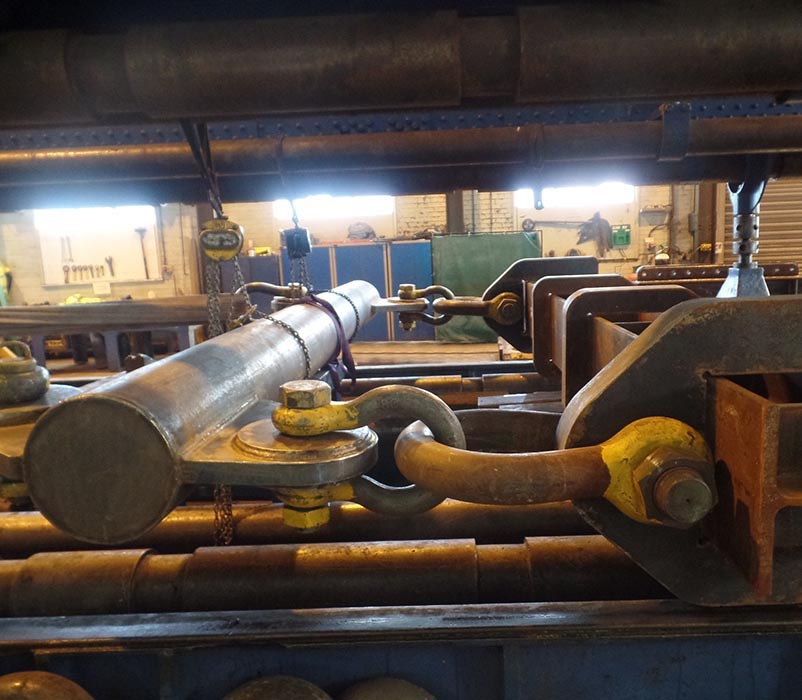
Custom load application methods, engineered fixtures and specialist support structures designed around the item being tested.
High-capacity proof load testing within the same engineered test route.
For larger or unusual assemblies, the same proof load testing service can be supported by Durham Lifting's major vertical and horizontal facilities, with the test arrangement selected around the required load path, connection points and evidence needed.
Need to confirm the required proof load, witnessing or certification route? Use the supporting guide or send the testing team the drawings and project requirement.
Frequently asked questions
Common questions about proof load testing, testing capability, certification, engineered arrangements and on-site testing support.
What is proof load testing?
Proof load testing is used to verify that lifting equipment, structures or engineered assemblies can safely withstand a specified load under controlled conditions before being placed into service.
What types of equipment can be proof load tested?
Durham Lifting supports proof load testing for lifting beams, spreader beams, rigging systems, fabricated structures, pad eyes, lifting lugs, offshore equipment, wire rope assemblies and bespoke engineered fabrications.
Can Durham Lifting carry out proof load testing on site?
Yes. Selected proof load testing projects can be completed on site where suitable access, reaction points and controlled load application methods are available.
Do you provide certification following testing?
Yes. Certification and supporting inspection documentation can be provided following successful completion of the proof load test where required.
Can you create bespoke testing arrangements?
Yes. Many proof load testing projects require bespoke engineered arrangements, specialist support structures, hydraulic systems or controlled jacking methods designed specifically for the item being tested.
What information do you need for a testing enquiry?
Useful information includes drawings, dimensions, connection details, photographs, required proof load, certification requirements and whether testing needs to be completed at Britannia Test House or on site.
Can testing be witnessed by a third party?
Yes. Proof load testing can be supported by client representatives, surveyors or third-party witness attendance where required by the project or specification.
Where is proof load testing carried out?
Many projects are completed at Britannia Test House in Middlesbrough, with vertical capability up to 3000Te in tension and 2500Te in compression alongside high-capacity horizontal test beds. Selected projects can also be supported on site where appropriate.