
Engineering guide · Lifting beams and frames
Lifting beam and spreader beam proof load testing: what to prepare
A practical guide for fabricators, lifting equipment suppliers and project engineers arranging proof load testing of lifting beams, spreader beams, lifting frames and other below-the-hook structures.
What does a lifting beam proof load test demonstrate?
A proof load test applies a defined load under controlled conditions to verify an assembly against its agreed test specification. For lifting beams and spreader beams, the test arrangement must reflect the intended load path, connection points and any specified configurations. A proof test is not the same as a destructive test, nor does it replace the design assessment or statutory examination duties that may apply.
Use the applicable product standard, manufacturer or engineering specification and agreed test plan to establish the required load. Do not select a multiplier simply because another type of lifting equipment uses it.
Five details that shape the test arrangement
1. Rated capacity and intended configuration
Provide the working load limit or safe working load, configuration drawings, beam span, suspension points and any adjustable positions to be assessed.
2. Load path and connection geometry
Identify top slinging arrangements, lower lifting points, shackles, pins, lug spacing, sling angles and how force passes through the assembly.
3. Approved test requirements
Supply the prescribed proof load, relevant standard or customer specification, hold or inspection requirements, and acceptance criteria specified by the responsible engineer.
4. Handling and available space
Give overall dimensions, mass, transport constraints and any lifting or support arrangements needed to place the item in a suitable test bed.
5. Witnessing and records
State whether a client, surveyor or independent witness will attend and what certificates, readings or other records the project requires.
Not a conventional beam?
Multi-point lifting frames, unusual geometries and bespoke fabricated items may need a purpose-engineered fixture or reaction arrangement.
How a beam test is planned
The item, drawing package, required proof load and acceptance criteria are reviewed first. The testing team then assesses suitable reaction points, fixtures and load application methods before agreeing the test procedure and any witnessing requirements. Controlled testing and the agreed reporting follow.
Durham Lifting undertakes proof load testing of lifting equipment at Britannia Test House in Middlesbrough, supported by vertical and horizontal test beds and bespoke arrangements. Selected work may also be completed on site if the geometry and site conditions are suitable.
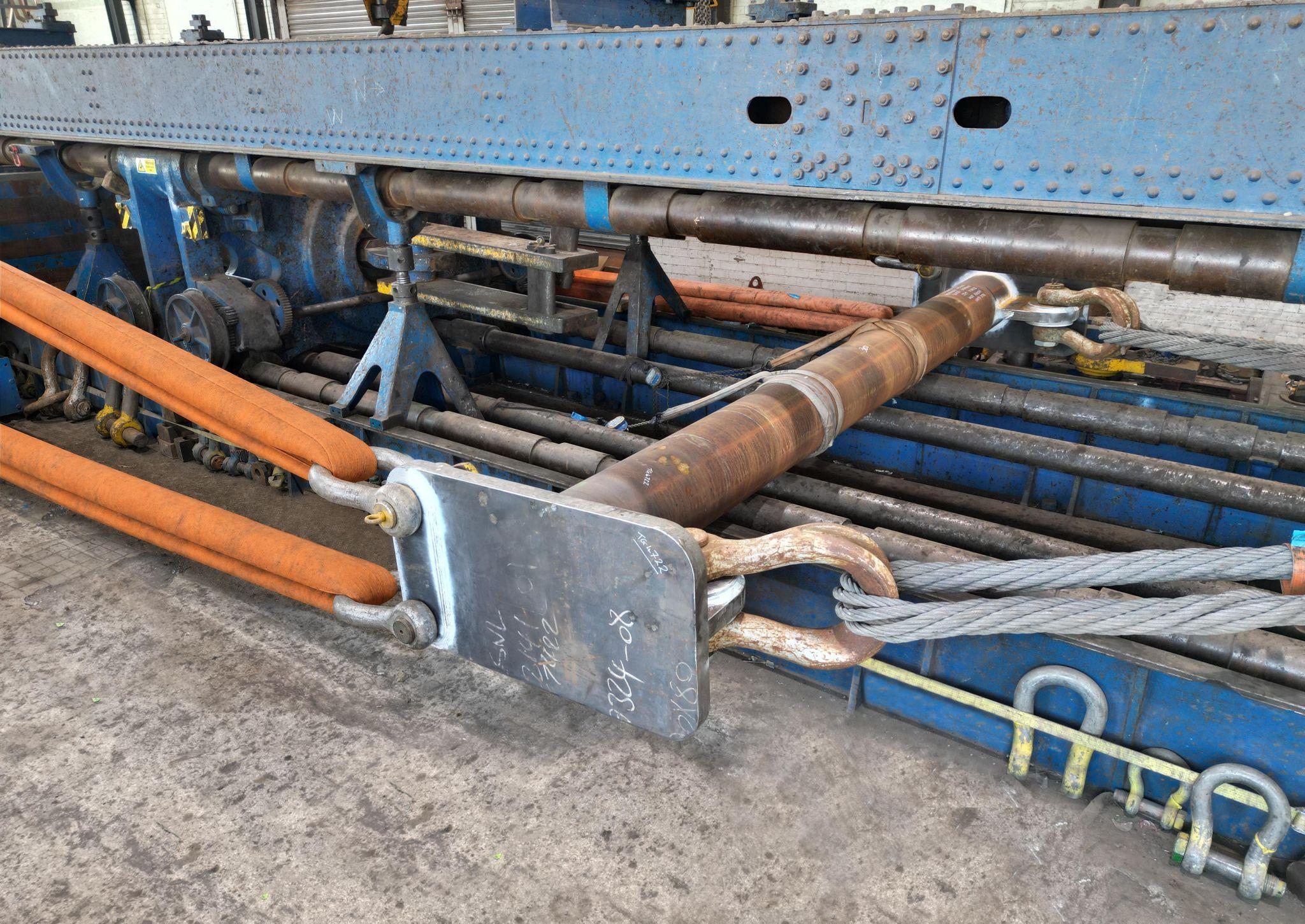
A real example: 300-tonne spreader beam
Durham Lifting proof-load-tested a bespoke 300-tonne spreader beam and matching link plate at Britannia Test House, applying a proof load exceeding 400 tonnes under the agreed project arrangement. The published project shows how a specific lifting assembly moves from engineering requirement to test evidence.
Questions engineers ask before booking
Does a new lifting beam always need the same proof load?
No. The required test load and whether a test is specified depend on the applicable standard, design and agreed engineering or project requirements.
Can an adjustable or multi-point beam be tested?
Potentially, yes, but the required configurations must be identified in the test specification and the rig must be suitable for the actual load paths.
Does proof load testing replace LOLER thorough examination?
No. Proof testing and thorough examination are different activities. See our guide to when proof load testing may be required.
Can you test a bespoke lifting frame or a very large beam?
Durham Lifting supports large engineered assemblies using major test beds and project-specific fixtures; feasibility depends on dimensions, geometry, connections and required load, not just the headline capacity of a machine.
Have a beam or lifting frame that needs testing?
Send the drawings, span, connection details, rated capacity, specified proof load and any witnessing requirements. Our team can review the most suitable testing arrangement.